顯示具有 知佛家 標籤的文章。 顯示所有文章

2017年6月7日 星期三

全世界都在學習的日本正念禪修


全世界都在學習的日本正念禪修


(圖片來源: Angeles Marin Cabello)Image copyrightANGELES MARIN CABELLO

在流線型的新幹線子彈列車悄無聲息地駛出站台時,我看到了一個奇怪的儀式。在短暫的停車期間,最後一節車廂上的列車員開始自言自語:他做著一系列動作,大聲說話,最後對著列車的不同部件手舞足蹈地做著手勢。
這位列車員到底在幹什麼?他此刻的行為就是正念練習的一種。日本人把這項活動稱之為"指差確認"(日語裏的本意是"呼喚並確認"),這是日本鐵路員工已經持續了100多年的防差錯操練術。列車員用手指著需要檢查的器件,然後大聲叫出它們的名稱。通過自我對話加強印象,從而確保所有檢查項目都沒有遺漏。

指差確認Image copyrightALAMY
Image caption日本列車員的"指差確認"(shisa kanko):用手指指向要檢查的部件,然後大聲把它的名稱讀出來(圖片來源: Trevor Mogg/Alamy)

這一做法似乎很見效。1994年,日本鐵路技術研究院進行了一項研究,該研究也得到了《日本時報》的轉載。研究發現,工人執行簡單任務時的錯誤率是2.38%。而採取了"指差確認"操練術後,錯誤率降低到了0.38%——下降幅度達到驚人的85%。
這一做法好像和正念相距甚遠,近年來,正念已經成為"坐禪"(在席子上盤腿而坐進入冥想)的同義詞。馬薩諸塞州立大學醫學院榮譽教授喬·卡巴特-基恩(Jon Kabat-Zinn,他早在1979年就在這所醫學院建立了以正念療法為主的壓力舒緩診所)稱,正念"不是在腦子裏設想你正坐在一朵蓮花上,假裝自己是大英博物館裏的一尊雕像。簡單地說,正念就是一種瞬間意識。"
千百年來,這種瞬間意識已經深深植入日本人的心靈深處。沒人會刻意談起它,但它又無處不在。
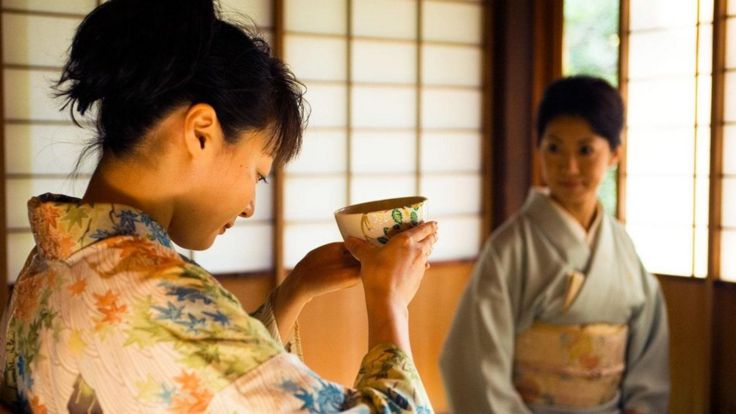
茶道Image copyrightGETTY IMAGES
Image caption茶客們在茶道過程中觀賞茶杯造型(圖片來源: Lonely Planet/Getty)

例如,茶道、俳句和觀賞櫻花都屬於對於"瞬間"的高水平審美。茶道過程中,茶客們會在飲茶前觀賞茶杯造型和茶室的裝飾畫,畫中描繪的是本月繁盛的樹葉和花朵。但是更重要的是,茶道要強調的是"瞬間"的價值,今天過後,這個場景,以及場景中的人都不會再次重現。
俳句是一種起源於17世紀的日本詩詞。這種專門描寫瞬間景色和感受的詩句已經成為一種世界知名的藝術形式。俳句只用17個音節就能抓住瞬間顯現的核心要素,並通過具有抒情意義的自然景象來表達一種類似於禪修的突然頓悟。最著名的俳句是松尾芭蕉所做,以青蛙為主題的一首俳句:
古池,蛙跳,水聲。
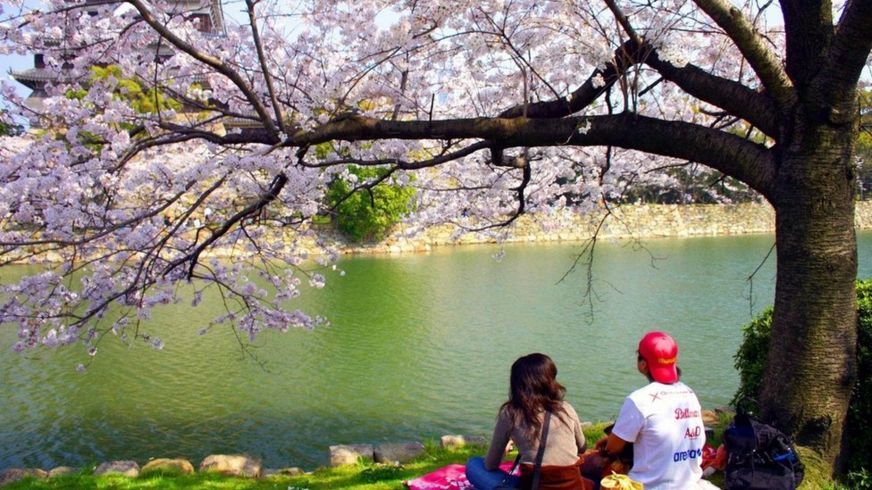
沒什麼比觀賞櫻花更充分地反映出日本人對於瞬間的留戀了。每年春天,日本各地的人們都會扶老攜幼去觀賞櫻花。他們為什麼對櫻花如此熱衷?櫻花花期極短,只有1周左右,是一種轉瞬即逝的花朵。"在日本人心目中,瞬間即逝的事物才是最美的,"日本禪宗法師、景觀設計大師枡野俊明說。
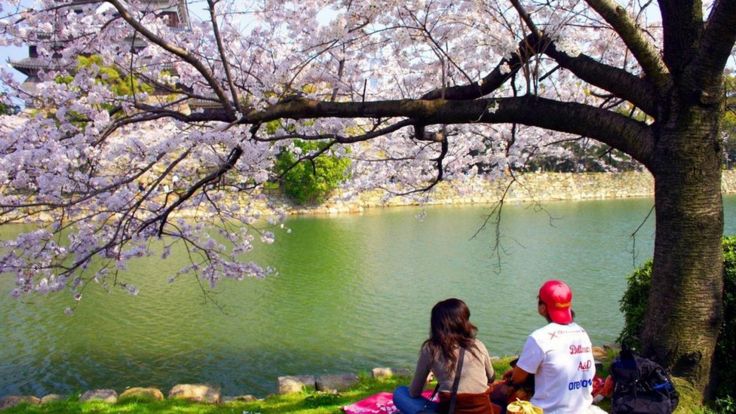
櫻花Image copyrightANGELES MARIN CABELLO
Image caption沒什麼比觀賞櫻花能更充分地反映日本人對於瞬間的留戀了(圖片來源: Angeles Marin Cabello)

日本人對於瞬間的眷戀還體現在很多其他習俗當中,譬如賞月。(編注:中國之外)很少有一個國家會像日本一樣把9月裏的一個夜晚列為節日來慶祝月圓。另外,日本人還為從菜刀到毛筆,甚至用過的縫衣針等等無生命事物設立了紀念節日。
另外,還有越來越多的女性加入到觀賞苔蘚的行列中來。受到藤井久子的暢銷書《苔蘚》和《我親愛的朋友》的推動,在日本,觀賞苔蘚正在日漸成為一項時尚活動,年輕女性更是趨之若鶩,紛紛奔向日本各地鋪滿苔蘚的森林。她們並不像普通的遊客那樣看到玫瑰就停下來聞聞花香,而是跪在甚至趴在地上,用放大鏡仔細欣賞苔蘚的美麗。
對我們來說,苔蘚只不過是一種極為普通的低等植物,要是沒有布滿苔蘚的山石或石燈籠,就不能稱作是日本禪園。禪園是侘寂(wabi-sabi)的真實體現——侘寂是一種強調樸素而幽寂的精神,正是這種精神及其引申出的意境構建了日本美學的根基。
日本人的正念意識絶不僅僅是觀賞甲蟲和鮮花而已。有無數的儀式遍布生活的每個角落,它們都在告誡你要"珍視當下"。在學校,每天上學和放學時都要舉行簡短儀式,學生們相互問好,然後教師宣佈當天的活動內容。每堂課前後,學生和教師都會起立互致鞠躬禮。上課前,教師會要求學生閉上雙眼以集中注意力。
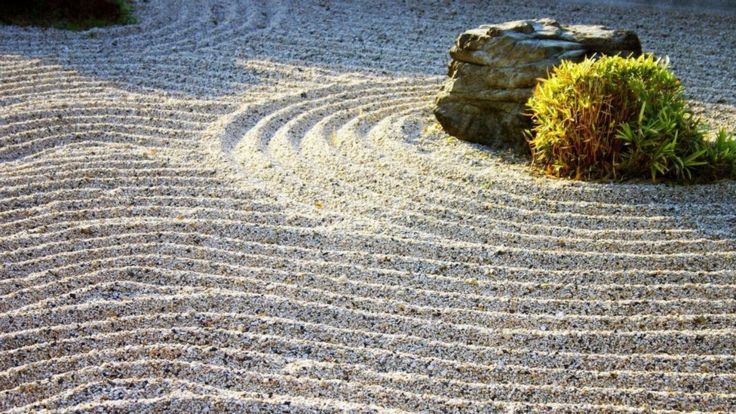
禪園Image copyrightANGELES MARIN CABELLO
Image caption禪園是侘寂的真實體現-侘寂是一種強調樸素而幽寂的精神(圖片來源: Angeles Marin Cabello)

建築工人每天開工前則要做集體體操伸展四肢。在寫字樓裏,同事會對你說"您辛苦了"作為對你所做工作的感謝。把名片遞給別人,他會仔細端詳並評論一番,絶不會直接放進口袋。
卡巴特-基恩說,所有這些儀式的目的在於讓我們"關注那些我們一般不會考慮的事情。"這些儀式讓你在一天時間內知道自己身在何處,在做什麼事情,而不是像打開自動駕駛儀一樣度過一個小時接一個小時,只是為了等待下班鈴聲的響起。
和日本文化中其他大部分現象一樣,這些禮儀的來源都是禪宗。"千百年來,正念一直是佛教傳統的一部分,"京都妙心寺僧人川上高史說。早在鐮倉時代(1185-1333),禪宗就已流行於武士階層,並深刻影響了藝術、茶道、插畫和園林的早期發展。在太平無事的江戶時代(1603-1868),禪宗則進入了普通人的教育領域。
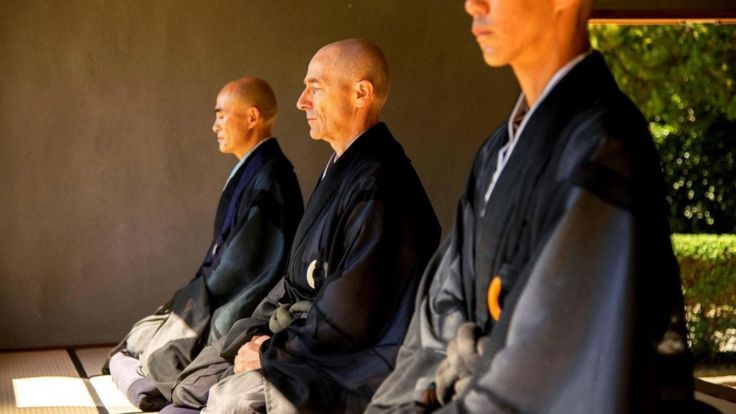
禪宗Image copyrightSHINSHOJI ZEN MUSEUM AND GARDENS
Image caption對於禪宗修習者而言,禪是一種滲透進生活方方面面的態度(圖片來源: Shinshoji Zen Museum and Gardens)

對於禪宗修習者而言,禪是一種滲透進生活方方面面的態度:沐浴、烹調、打掃、工作。"日常生活中的每一項活動和行為都是在修禪,"廣島縣福山神勝寺的桑垣江梨子說。
保羅·瑞普思(Paul Reps)1957年出版的禪宗文集中有一篇有趣的故事《禪肉禪骨》印證了這一觀點。故事的情節是:手野學習禪宗多年,希望成為禪宗教師。他前去拜訪禪宗大師南院法師,這天下起了暴雨。為了禮貌,手野把他的木屐和雨傘放在南院法師的門外。
雙方寒暄過後,南院法師問手野:"你把雨傘放在了木屐的左邊還是右邊?"手野答不上來,覺得自己距離禪宗的要求還很遠,於是回去又學了6年。
我們大多數人都不會把問題想那麼遠。然而,南院法師提出的問題卻仍然不失中肯。有越來越多的研究者發現,對瞬間意識的正覺不僅有助於緩解壓力、增加幸福感,還會抑制焦慮和抑鬱。
斯坦福大學同情心培養計劃高級教師利·維斯(Leah Weiss)是數量不斷增多的提倡"生活正念"的專家之一。"生活正念"是指在一天之內的所有時間都練習正念,而不是只做10分鐘的冥想。維斯說,正念能夠"增強你對自身意識、情感和周圍事物的了解,即便此刻你正在做任何其他事情。"
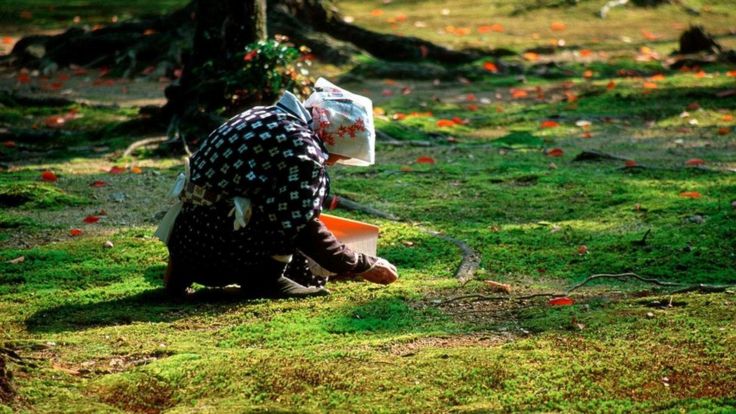
苔蘚Image copyrightALAMY
Image caption日本人仔細欣賞苔蘚的美麗(圖片來源: Andrew Whitehead/Alamy)

那麼,我們該如何在日常生活中練習正念呢?最好從簡單的事情開始做起,比如,早晨離家上班時不妨"指差確認"一番。燈關了嗎?查一下。窗戶關了嗎?查一下。帶錢沒有?查一下。帶手機沒有?查一下。這樣,你就永遠不會忘帶鑰匙。
或許,你還能擠出些時間觀察地上的苔蘚。


Mindfulness has become trendy around the world in recent years – but in Japan, it’s been ingrained into the culture for centuries.

As the sleek shinkansen bullet train glided noiselessly into the station, I watched a strange ritual begin. During the brief stop, the conductor in the last carriage began talking to himself. He proceeded to perform a series of tasks, commenting aloud on each one and vigorously gesticulating at various bits of the train all the while.
Japanese train conductors practice shisa kanko, pointing at what they need to check and then naming it out (Credit: Credit: Trevor Mogg/Alamy)
Japanese train conductors practice shisa kanko, pointing at what they need to check and then naming it out loud (Credit: Trevor Mogg/Alamy)
So what was he up to? You could say he’s practicing mindfulness. The Japanese call it shisa kanko (literally ‘checking and calling’), an error-prevention drill that railway employees here have been using for more than 100 years. Conductors point at the things they need to check and then name them out loud as they do them, a dialogue with themselves to ensure nothing gets overlooked.
And it seems to work. A 1994 study by Japan’s Railway Technical Research Institute, cited in The Japan Times, showed that when asked to perform a simple task workers typically make 2.38 mistakes per 100 actions. When using shisa kanko, this number reduced to just 0.38 – a massive 85% drop.
Mindfulness is moment-to-moment awareness.
This may seem a long way from mindfulness, which in recent years has become synonymous with what the Japanese call zazen – meditating cross-legged on a cushion. But according to Jon Kabat-Zinn, Professor of Medicine emeritus at the University of Massachusetts Medical School, where he founded its renowned Mindfulness-Based Stress Reduction Clinic in 1979, mindfulness is “not really about sitting in the full lotus… pretending you’re a statue in the British Museum. Simply put, mindfulness is moment-to-moment awareness.”
And this present-moment awareness has been deeply ingrained into the Japanese psyche for centuries. You don’t hear people talk about it, but it manifests itself in myriad ways.
In tea ceremony, participants take time to notice the design of the cup (Credit: Credit: Lonely Planet/Getty)
In tea ceremony, participants take time to notice the design of the cup (Credit: Lonely Planet/Getty)
Tea ceremony, haiku and cherry-blossom viewing, for instance, all share a heightened appreciation of the moment. In tea ceremony, participants take time to notice the design of the cup before drinking and appreciate the decoration of the tea room, which reflects the foliage and blooms of the month. But beyond that, the ceremony celebrates the fact that this moment with this person in this place will never happen again.
This moment with this person in this place will never happen again.
Haiku poetry, a Japanese literary tradition dating back to the 17th Century, elevated this celebration of the present moment to a world-renowned art form. Haiku poets attempt to capture the moment’s essence in just 17 syllables, using evocative images from nature to convey a Zen-like sense of sudden enlightenment. The most famous one is Matsuo Basho’s frog haiku, which translated from Japanese reads:
An old ponda frog jumpsthe sound of water
And nowhere is this celebration of the moment more evident than in cherry-blossom viewing, which sweeps the nation like a fever every spring. Why such excitement? Precisely because the blossoms are so fleeting, lasting only a week or so. “Transience forms the Japanese sense of beauty,” said Zen priest and garden designer Shunmyo Masuno.
Nowhere is this celebration of the moment more evident than in cherry-blossom viewing (Credit: Angeles Marin Cabello)
Transience is celebrated in dozens of lesser-known practices too, such as moon viewing. You can’t help but admire a country that sets aside a special evening in September for contemplating the full moon. Or that holds lavish festivals to give thanks for the work done by inanimate objects, including everything from old kitchen knives to calligraphy brushes and even used sewing needles.
Transience forms the Japanese sense of beauty.
And there are the growing ranks of Moss Girls. Inspired in part by Hisako Fujii’s best-selling book, Mosses, My Dear Friends, moss-viewing has become increasingly trendy, especially with young women, who go on guided tours to Japan’s lush moss-carpeted forests. This goes way beyond just stopping to smell the roses: Moss Girls get down on hands and knees with a loupe to contemplate the lovely lichens.
And while to the less mindful among us moss may seem insignificantly small, no Zen garden is complete without its moss-covered rock or stone lanterns. It’s the living embodiment of wabi-sabi – the spirit of humble, rustic impermanence that defines Japanese aesthetics.
But there’s more to Japanese mindfulness than gazing at bugs and blooms. Countless practical applications govern virtually every aspect of daily life, all designed to help you ‘be in the now’. At school, days begin and end with a short ceremony, where greetings are exchanged and the day’s events are announced. Before and after each class, students and teacher stand, bow and thank each other. And before starting the lesson, students are asked to close their eyes to focus their concentration.
Zen gardens embody wabi-sabi, the spirit of humble, rustic impermanence (Credit: Angeles Marin Cabello)
Similarly, construction workers engage in collective stretches to limber up for the day’s work. In the office, a colleague will tell you 'Otsukaresama', (literally ‘you’re tired’), as a way of saying thanks for the work you’ve done. At meetings, hand someone your meishi (business card) and they'll examine it carefully and make a comment, never dreaming of just sticking it in their pocket.
These practices are a way of what Kabat-Zinn calls ‘purposefully paying attention to things we ordinarily never give a moment’s thought to’. They help keep you conscious of where you are and what you are doing throughout the day, rather than stumbling from one hour to the next on autopilot, focused only on going-home time.
Like so much of Japanese culture, the roots of all these customs lie in Zen. “Mindfulness has been part of the Buddhist tradition for centuries,” said Takafumi Kawakami, priest at Kyoto’s Shunko-in temple. In the Kamakura Era (1185-1333), Zen became popular among the samurai class and had a formative influence on the arts, including tea ceremony, flower-arranging and landscape gardening. In the Edo Era (1603-1868), a time of peace, Zen found its way into the education of common people.
For its practitioners, Zen is an attitude that permeates every action (Credit: Shinshoji Zen Museum and Gardens)
For its practitioners, Zen is an attitude that permeates every action: bathing, cooking, cleaning, working. “Every activity and behaviour in daily life is a practice [of Zen],” said Eriko Kuwagaki of Shinshoji Temple in Fukuyama, Hiroshima Prefecture.
A delightful old Zen story, collected in Paul Reps’ 1957 anthology of Zen texts, Zen Flesh, Zen Bones, illustrates this point. After studying to be a Zen teacher for many years, Teno went to visit Nan-in, an old Zen master. It was raining heavily and, as is customary, Teno left his clogs and umbrella in the entrance before entering Nan-in’s house.
Every activity and behaviour in daily life is a practice [of Zen].
After greeting each other, Nan-in asked Teno: “Did you leave your umbrella to the left or right of your clogs?” Unable to answer, Teno realised he was still a long way from attaining Zen, and went away to study for six more years.
Most of us might not want to take things quite so far. Nevertheless, Nan-in’s question remains relevant, as more and more researchers are discovering that present-moment awareness not only boosts stress resilience and well-being, but also lowers levels of anxiety and depression.
Leah Weiss, a senior teacher at Stanford University’s Compassion Cultivation Program, is one of a growing number of experts who advocate ‘mindfulness in action’. This is something to be practiced throughout the day, rather than just for 10 minutes’ meditation. Weiss described it as “becoming mindfully aware of your thoughts, feelings, and surroundings even while you’re engaged in some other activity.”
Even moss is appreciated by the mindful Japanese (Credit: Andrew Whitehead/Alamy)
So how can we put a little more mindfulness into our lives? Start with something simple, like a bit of pointing and calling before you leave home in the morning. Lights off? Check. Windows closed? Check. Money? Check. Phone? Check. You’ll never forget your keys again.
Then maybe you’ll have time to stop and notice the moss.


http://www.bbc.com/ukchina/trad/vert-tra-40177111?ocid=socialflow_facebook

Flag Counter


2016年8月8日 星期一

一位外籍戒子的感恩和體會


我在台灣領受三壇大戒:一位外籍戒子的感恩和體會
Attending the Bhikshuni Ordination in Taiwan

文:Pema Chod ron (Karen Schaefer)
By Venerable Pema Chodron (Karen Schaefer)

各佛教流派的出家眾都知道,台灣的授戒儀式極為嚴謹。在漢傳佛教傳統中,儀式包含長時間站立誦經和唸咒,聆聽開示,以及在懺悔儀軌中反複跪拜。三壇大戒的儀式,包括傳授沙彌戒、比丘戒和出家菩薩戒,是深受尊重的盛典。
The monastic ordinations performed in Taiwan are renowned among the sanghas of the various Buddhist traditions for being extremely rigorous. The Chinese practice entails long periods of standing to recite sutras and mantras and to listen to Dharma talks, as well as a great deal of bowing and kneeling during repentance practices. The Triple Platform Ordination, incorporating novice, ordained monastic, and bodhisattva precepts, is very highly respected.

2015年,我參與了一次授戒儀式。此次授戒在台灣高雄日月禪寺舉行,為期三十五天,有來自十八個國家的一百五十名男眾及三百五十名女眾參與其中。如此大規模的授戒儀式須累積多年經驗才能成就,以傳統中國式的規格和方式進行──繁複的儀典包含多種不同的細節,主辦者的籌辦能力實在令人讚嘆。
The particular ordination ceremony in which I participated was sponsored by the Buddhist Association of the R.O.C. and held at Ri Yue Chan Temple in the city of Kaohsiung over 35 days, with 150 male and 350 female candidates from 18 countries.* The occasion was obviously the result of many years’ experience in conducting this type of large-scale ordination, and was carried out with characteristic Chinese order and efficiency—I could not help but admire the competency and organization of this complex event, with its diverse activities and programs.

不同的挑戰
Challenges

我的母語是英語(目前居於泰國北部),對我來說,參與三壇大戒其中一些挑戰是適應中文和中國文化,以及與文化背景各有不同的人互動和溝通。幸好,有一名很友善的台灣比丘尼曾在美國居住多年,主動在講解的時候協助將內容翻譯為英語。
As a native English speaker (currently based in northern Thailand), among the initial challenges for me personally were adjusting to the Chinese language and culture, and interacting and communicating with people from a great many different cultures and backgrounds. Fortunately, a very kind Taiwanese nun who had lived in the United States for many years stepped forward to assist with translating the various classes and teachings into English.

我們住在大型宿舍中,七十個女性住在一處,睡在棉造的軟墊上,每個人擁有的空間只足夠放一個行李箱。對於我們習慣了按照個人喜好(舉例來說,是否開動電風扇,或有人喜歡在休息時間和深夜談話)來生活的人來說,適應環境也是頗大的挑戰。
We were accommodated in large dormitories, with up to 70 women living shoulder-to-shoulder, sleeping on soft cotton mats, and with only enough personal space for a suitcase. This presented a challenging adjustment for those of us accustomed to exercising a greater degree of personal preference, such as whether or not to turn on a fan, or what, if anything, to do about fellow candidates who talked during rest periods or late into the night.

僧團的定義是眾人同時和諧地做同一件事情。戒會的日程和生活條件,正正考驗我們能否遵從這個原則,拋卻對個人愛惡的執著。很明顯,這種生活會令大家很注意對他人的影響,因為即使最微小的聲響或動作,都會影響到很多其他人。有一天午飯時,副住持問我們:「你們令同伴愉快嗎?天氣開始轉冷,如果你見到人家沒有蓋上被子,找一張來蓋在他身上。」這種對他人的覺知會締造奇妙的效果,可以消除大家對自己個人需要過分重視和先入為主的心態。
The definition of sangha was explained as: “doing the same thing, at the same time, together in harmony,” and the schedule and living conditions were a proving ground of one’s ability to surrender to that and let go of any sense of attachment to individual preference. It became very clear how this kind of life builds a deep mindfulness of one’s impact on others, as the smallest noise or movement can affect many others in such an environment. One day at lunch the vice-abbot asked us: “Are you making your neighbor happy? It’s getting cold, so if you see someone without covers, help them by putting a quilt over them.” This kind of awareness of others has a wonderful effect of eradicating self-cherishing and preoccupation with one’s own needs.

這裏紀律嚴謹,每天的日程也不易應付,來自其他寺院、協助授戒的師父都很和藹友善,盡心照顧我們。我們不時聽人說起,他們的職責是協助每名參加者成功地、安全地完成授戒儀式。隨著時日過去,我們越來越明白為甚麼他們會說「安全地」。
Despite the strict discipline and demanding schedule, the supervising shifu (masters), who had come from other monastic communities to assist with the ordination, were extremely kind, going out of their way to take care of us. We often heard it said that they were there to assist each and every participant in completing the ordination successfully and safely. As the days went by, the reason behind the choice of the word “safely” was to become much clearer.

戒會期間,修持的項目節奏急速,日程也令人吃力,要準備自己作出上求佛道、下化眾生的承諾,這一切彷彿會令業障現前,這可見諸情緒和身體的徵狀。有些參加者的健康出了嚴重問題,到了後期,由於很多人染病,日間甚至有醫生駐場。病症由較輕的感冒和胸口發悶,到較嚴重的肺炎、高血壓、腦瘤和心臟病都有。幸好,他們獲得多位義工悉心照顧。
The intensity of the practice, the demanding schedule, and the very nature of preparing oneself to take vows to serve and benefit others seemed to bring on a great many karmic obstacles, which often manifested in the form of emotional and physical ailments. Some participants developed serious health issues and toward the latter part of the schedule, a doctor was even made available throughout the day because so many people were falling ill: many came down with flu symptoms and chest congestion, while others experienced more severe ailments. Some of the more serious cases included pneumonia, high blood pressure, a brain tumor, and a heart condition. All were treated with great kindness by the many volunteers who were there to help them complete the ordination.

授戒儀式
The masters conducting the ceremony

負責主持儀式的是淨心、圓宗和本靜三位長老。他們全都有八、九十歲,已出家超過六十年。三位大德仁厚非常,在整個儀式過程中孜孜不倦。雖然他們都是寺院住持,也在中國佛教會擔當重責,但是主持授戒儀式仍是他們其中一項主要工作。三人都要長時間工作,特別要花心思照顧所有參加者,更會分享他們自己受戒時遇上疾病和其他障礙的經驗。
The three primary masters, Senior Ven. Ching Hsin, Senior Ven. Yuan Tsung, and Senior Ven. Pen Ching, all aged between 80 and 90 and each with more than 60 years’ experience of monastic life, were extraordinarily kind and diligent in facilitating the entire process. Such ordinations are among their primary responsibilities, even though each of them is an abbot of his own monastery and plays a major role in the Buddhist Association of the R.O.C. All three worked tirelessly for long hours, with an extraordinary spirit of care for all the participants, and did not hesitate to share stories of the health issues and other obstacles that had arisen during their own ordination.

多位大師出席了為比丘和比丘尼授戒的主要儀式,作為見證。雖然按照規定,儀式需要有十名長老、十名長老尼出席,但是結果出席的多達約四十位,分別來自台灣各地、馬來西亞、新加坡,甚至美國。
Many masters participated in the main ceremony—the granting of the bhikshu and bhikshuni vows—as witnesses. Although it is stipulated that 10 senior bhikshus and 10 senior bhikshunis are required for the ceremony, some 40 master bhikshus and bhikshunis attended from various parts of Taiwan, Malaysia, Singapore, and even the US.

每一天的功課包括早上講課,由多位法師講解授戒的守則和規範。沙彌戒和比丘/比丘尼戒的授戒儀式都有極為嚴謹的規範,包括戒子要回答由十位見證戒師提出的問題。準備接受比丘尼戒者更須回答兩輪提問,分別接受多位比丘和比丘尼的考驗。
Each day consisted of morning study sessions to learn the rules of conduct and precepts for the three stages of the ordination, with different masters giving the teachings. The novice ordination and the bhikshu/bhikshuni ceremonies each involved very strict protocols, with groups of three candidates appearing before 10 witnessing masters to reply to questions posed in Chinese. This process took place twice for the bhikshuni candidates, who had to appear before both a council of bhikshus and a council of bhikshunis.

有一次,我們來自藏傳佛教各派的多名弟子,請求謁見日月禪寺的住持。我們有一些關於藏傳佛教傳統與漢傳佛教授戒的問題。住持和阿闍黎跟我們見面了。他們鼓勵我們,並提到達賴喇嘛曾安排多名藏傳的比丘尼到台灣受戒。兩位法師也說,我們不必擔心以另一套傳統受戒,因為以後我們可以繼續按照自己的傳承修行,穿回自己的儀服。
At one point, a group of us from various schools of the Tibetan tradition requested an audience with the abbot of Ri Yue Temple as we had questions concerning our tradition and Chinese ordination. Both the abbot and the Karma Acharya met with us to offer encouragement, reassuring us that His Holiness Dalai Lama had sent many nuns from the Tibetan tradition for ordination in Taiwan. The masters also said we should not be concerned about ordaining in a different tradition because afterwards we could confidently return to our own practice, tradition, and robes.

儀式中,戒子均領納戒體,意即我們的阿賴耶識中發願世世代代出家度眾的善業種子。儀式中,法師鼓勵我們集中思想,禮敬諸佛。戒子若能誠心受戒,就能得到師父的加持。那是影響深遠、改變一生的經驗。
One particularly striking feature of the ceremony was what was described as “the precept body”—an energetic transmission the seed of which was said to reside in our alaya-vijnana (“storehouse consciousness”), thus generating an aspiration to live a monastic life for many lifetimes to come. During the ceremony we were encouraged to focus our minds on a massive cloud of Buddhas and bodhisattvas gathering above our heads. The blessings were transmitted by the masters and internalized by the candidates based on the purity of their intention to receive and honor the precepts. It was a profound and deeply life-changing experience.

授戒儀式得到不少捐助者慷慨支持,提供僧袍、僧鞋、缽盂、藥物和其他資具,並且有很多勤奮的義工,每天清早就起床為大家做飯。眾多大師和導師都盡心盡力,令三壇大戒得以圓滿,參加者均十分感恩。儀式結束後,每位參加者均獲贈一本「護照」──那是製作精美的小冊子,詳列我們受戒的程度、儀式的日期、地點,以及主持和見證儀式的名單等細節。
The entire ordination was supported by many generous donors, who provided robes, shoes, alms bowls, medicines, and other items, and a great number of diligent volunteers who awoke early each morning to prepare food for everyone. The efforts of the various masters and teachers, who demonstrated incredible dedication in the kindest possible manner to facilitate the safe and successful culmination of the Triple Platform Ordination, were received by the participants with tremendous gratitude. Afterwards, we were each presented with a “passport”—beautiful booklets that certified our level of ordination, with details of the time and place and the names of the masters and witnesses.

我知道,自己會一直珍惜在儀式中感受到的鼓勵和慈悲,並且發願以比丘尼的身份,在日常的細行中加以彰顯。我們在日月禪寺多次聽到以下的教訓:「不要以言語作教導,要以身作則。」我們的師父,全都是出色典範。
I know I shall always cherish the encouragement and kindness we experienced during the ceremony, and I will aspire to reflect that in my actions as a bhikshuni. One teaching that we heard repeatedly throughout our time at Ri Yue Chan Temple was: “Don’t teach with words; teach through your behavior.” The senior monastics who supported us were all extraordinarily inspirational examples of that teaching.

* 下一次同類的三壇大戒定於2016年11月1日至12月30日舉行。目前只有漢傳佛教為比丘尼傳授三壇大戒,因此不少其他傳承已受沙彌戒的戒子,若要成為比丘尼,都會參與這個儀式。以下是聯絡的電郵:syg012019@gmail.com。
* The next such ordination is scheduled for 1 November–30 December 2016. Full ordination for nuns presently exists only in the Chinese tradition, so many nuns from other traditions who have already taken novice ordination participate in these ordination ceremonies in order to become bhikshunis. The English-language email contact for prospective candidates is: syg012019@gmail.com.


Flag Counter


2016年7月26日 星期二

釋迦牟尼佛涅槃離世時對末法末劫的預言


釋迦牟尼佛涅槃離世時對末法末劫的預言


少林寺蔵涅槃図。
在佛教大藏經涅槃部中有一篇《佛說法滅盡經》,記載了釋迦牟尼佛涅槃離世時對他身後將發生的事的預言。
那時候是佛陀在涅槃前的三個月,住在拘夷那竭國。那時有很多菩薩,比丘以及無數大眾來到佛的居所,向佛稽首頂禮(尋求開示)。佛陀默然不語,身上的光明(後人在寺廟中樹立的佛像周圍,均有一個籠罩周身的光圈,當是對他所現光明的形象表示)也未如往常般顯現。佛陀身邊的待者阿難賢者向佛作禮,然後請示佛陀:佛陀以往在大會說法時,身體發出威顯的大光明。可是今次在大會上,身體的光明卻不顯現。為什麼會這樣?其中必然有某種原因。弟子不解其中的意義,請求佛陀開示。佛陀默然不作回應。阿難賢者見佛陀不言語,再次請示佛陀,一共請示了三次,佛陀世尊這才對大眾說明,即是《佛說法滅盡經》中的內容。然而,世尊的這番開示,卻令四部弟子“聞經悲慘惆悵”。
佛說法滅盡時
那麽,釋迦牟尼當時對阿難等信眾說了些什麼呢?
他明確告訴阿難等在場的諸弟子和信眾,他離世多少年之後,也就是在未法未劫之時,他所傳的佛法將會壞滅。作為一個大智大慧的覺者,和歷史上的其他先知一樣,釋迦十分清楚他所傳的法的命運。
他將這時的人類社會稱之為“五逆濁世”,“魔道興盛”。此時,“魔作沙門壞亂吾道”。即魔轉世出家到寺院里專門破壞他的法。
怎麼敗壞?
著俗衣裳樂好袈裟五色之服,飲酒噉肉殺生貪味,無有慈心更相憎嫉。對於仍信奉其法、依法修持的“菩薩辟支羅漢”,這些“眾魔比丘”則“咸共嫉之誹謗揚惡,擯黜驅遣不令得住。”他們“自共於後不修道德,寺廟空荒無復修理轉就毀壞。但貪財物積聚不散不作福德。販賣奴婢耕田種植。焚燒山林傷害眾生無有慈心。奴為比丘,婢為比丘尼,無有道德,婬妷濁亂,男女不別,令道薄淡皆由斯輩。”這些披著袈裟的內部亂法者或躲避官員逼害,求作沙門不修戒律。月半月盡雖名誦戒,厭倦懈怠不欲聽聞。抄略前後不肯盡說,經不誦習。設有讀者不識字句,為強言是。不咨明者貢高求名,虛顯雅步以為榮冀望人供養。
釋迦牟尼佛涅盤圖。(以上皆為網路圖片)
敗壞佛法者的結局與社會跡象
針對這些敗壞佛法者,釋迦牟尼也作了預言。
這些人“命終之後,精神當墮無擇地獄。五逆罪中餓鬼畜生靡不經歷恆河沙劫,罪竟乃出生在邊國無三寶處。”
此時的人類社會也會出現許多跡象。
一是氣候反常,天災人禍頻仍。水旱不調五穀不熟,疫氣流行死亡者眾。
二是社會道德普遍墜落。人民勤苦縣官計克,不順道理皆思樂亂。惡人的數目越來越多,像海中沙那麼多,善者甚少,若一若二。
三是時間變快,人的性命短促。大劫將來,因此日月的時間越來轉短,人命轉促,四十頭白。男子婬劮精盡夭命或壽六十。男子壽短,女人壽長七八九十或至百歲。大水忽起卒至無期,世人不信,因此以為這是自然現象。
四是眾生雜類不分種類、貴賤,皆溺浮在大水中,遭到魚鱉吃食。
釋迦牟尼對他所講的法的壞滅過程還作了具體描述。他講到他所講的法在徹底壞滅前,會象燈之將滅,會有短暫的迴光返照。“吾法滅時譬如油燈,臨欲滅時光明更盛,於是便滅。吾法滅時亦如燈滅。”壞滅的具體過程是,“首楞嚴經,般舟三昧,先化滅去。十二部經尋後復滅。盡不復現,不見文字。沙門袈裟自然變白(不再出現)。”
在釋迦牟尼的這一番重要開示中,最具積極意義的是他預言了新的覺者將重新下世傳法度人。接替釋迦牟尼佛重新下世度人的佛是誰呢?
“彌勒當下世間作佛”之後,“天下泰平毒氣消除。雨潤和適五穀滋茂。樹木長大人長八丈。皆壽八萬四千歲。眾生得度不可稱計。”人類社會會有一個新的光明的開端。一個新的紀元將會重新開始。
佛陀告訴阿難說:“阿難,這部經名為法滅盡經。向眾人宣告這部經,宜令分別,功德之多,無法計算。”佛陀座下四部弟子,聽聞此經後皆悲痛惆悵……

阿波羅網責任編輯:于飛 來源:樂土 轉載請註明作者、出處並保持完整。
本文网址:http://tw.aboluowang.com/2016/0711/768185.html


<佛說法滅盡經>白話翻譯「末法時期不讀此經難以知佛子的處境有多麼危險」
「末法時期」《佛說法滅盡經》白話翻譯!
釋迦牟尼說,佛的法運是一萬兩千年,正法一千年,像法一千年,末法一萬年。佛涅盤到現在已經過了兩千五百多年了,即過了正法、像法的時期,如今早已進入了末法時期。
那麼,這是個什麼時期呢?
各種說法如下:

1、末法時期,人類的知識非常進步,頭腦很聰明,腦部充分發育,而四肢退化,人心將變得很壞,互相欺詐、互相殘殺。目前已進入末法時期一千多年了。

2、末法時期,人心不正,道德敗壞.世風日下.同性欲亂.說白了就是古人所有的法已經不靈了!

3、到了末法時期的最後,那就很慘了,人類互相殘殺,連草木都可殺人。

4、試觀中國自宋以來,(宋初至今將千年,彼時正入末法之初。)講求道德學問者,門戶之爭,遠過漢唐。於是有宋學排斥漢學之風,有儒家謗毀佛教之習。迨後所謂道學者流,又自起斗诤,如程朱與陸王兩派,是也。總不外乎獨樹己幟,打倒他人。有因必有果,卒之反被他人打倒,遂有新學將舊學一齊推翻之事。即以佛門而論,入宋以後,亦染此風。各宗各派,斗诤甚烈。莫不己宗獨是,別宗盡非。愈趨愈下,至於近今,竟有欲推翻起信論者矣。實可痛心。佛門尚且如此。道德學問中人,尚且如此。其他更何待言!所以奮斗二字,成為格言。殊不知古人曰努力、曰奮勉、曰自強。即佛教中亦曰勇猛、曰精進,此等言句,皆就己身說,有利無病。今曰奮斗,雖亦是自強,而含有排除其他意在。此蓋斗诤習氣愈深所致,世道所以愈苦也。

5、在末法時代,有許許多多的魔子魔孫將借如來佛的名義來到世間傳法傳道、蠱惑眾生……

6、通俗的說,在末法時期是佛法不靈了的時期.從各種跡象來看,釋迦牟尼佛指的是現在,說他的法已不能度人了.

7、佛在世時,圓音一唱,得道者無數。現在呢?找個初果聖人也難。大多數在搞斗爭,爭對錯,全忘了自己本來面目,就算有發心的,也在搞名相,“數他錢”——都修到末梢上去了,故稱末法。

8、看看現在的人坑害人有多麼普及、多麼聰明能干,我們就知道:眾生 易度人難度,人類必定要毀於他們自己!

============================================================================================
佛說法滅盡經

僧佑錄中失譯經人名今附宋錄


聞如是,一時,佛在拘夷那竭國。
如來三月當般涅盤,與諸比丘及諸菩薩,無央數眾來詣佛所,稽首於地,世尊寂靜,默無所說,光明不現。
賢者阿難作禮白佛言:世尊前後說法,威光獨顯。
今大眾會,光更不現,何故如此?其必有故。願聞其意。
佛默不應,如是至三,佛告阿難:吾涅盤後,法欲滅時,五逆濁世,魔道興盛。
魔作沙門,壞亂吾道,著俗衣裳,樂好袈裟,五色之服,飲酒噉肉,殺生貪味。無有慈心,更相憎嫉。
時有菩薩辟支羅漢,精進修德一切敬待,
人所宗向教化平等,憐貧念老鞠育窮厄,
恆以經像令人奉事,作諸功德志性恩善,
不侵害人,捐身濟物,不自惜己,忍辱仁和。
設有是人,眾魔比丘鹹共嫉之,誹謗揚惡,擯黜驅遣,不令得住。
自共於後,不修道德,寺廟空荒,無復修理,轉就毀壞。
但貪財物,積聚不散,不作福德。
販賣奴婢,耕田種植,焚燒山林,傷害眾生,無有慈心。
奴為比丘,婢為比丘尼。
無有道德,淫劮濁亂,男女不別。
令道薄淡,皆由斯輩。或避縣官,依倚吾道。求作沙門,不修戒律。
月半月盡,雖名誦戒,厭倦懈怠,不欲聽聞。抄略前後,不肯盡說。
經不誦習,設有讀者,不識字句。為強言是。不谘明者,貢高求名。
虛顯雅步,以為榮冀,望人供養。
眾魔比丘命終之後,精神當墮無擇地獄,五逆罪中。
餓鬼畜生,靡不經歷,恆河沙劫。罪竟乃出生在邊國,無三寶處。
法欲滅時,女人精進,恆作功德。
男子懈慢,不用法語,眼見沙門,如視糞土,無有信心。
法將殄沒,登爾之時,諸天泣淚。
水旱不調,五谷不熟。疫氣流行,死亡者眾。
人民勤苦,縣官計克。不順道理,皆思樂亂。
惡人轉多,如海中沙。善者甚少,若一若二。
劫欲盡故,日月轉短,人命轉促。
四十頭白,男子淫劮,精盡夭命。
或壽六十。男子壽短,女人壽長。七八九十,或至百歲。
大水忽起,卒至無期,世人不信,故為有常。
眾生雜類,不問豪賤。沒溺浮漂,魚鱉食噉。
時有菩薩辟支羅漢。眾魔驅逐不預眾會。
三乘入山福德之地。恬怕自守,以為欣快,壽命延長。
諸天衛護,月光出世。得相遭值,共興吾道。
五十二歲,首楞嚴經。般舟三昧。先化滅去。
十二部經尋後復滅,盡不復現,不見文字。沙門袈裟自然變白。
吾法滅時,譬如油燈,臨欲滅時,光明更盛,於是便滅。
吾法滅時,亦如燈滅。自此之後,難可數說。
如是之後,數千萬歲,彌勒當下世間作佛。
天下泰平,毒氣消除。雨潤和適,五谷滋茂,樹木長大。
人長八丈,皆壽八萬四千歲。眾生得度,不可稱計。
賢者阿難作禮白佛:當何名斯經?雲何奉持?
佛言:阿難,此經名為《法滅盡》,宣告一切,宜令分別。功德無量,不可稱計。
四部弟子,聞經悲慘惆怅,皆發無上聖真道意,悉為佛作禮而去
佛說法滅盡經
本經收於《大正藏》之「涅盤部」

============================================================================================

佛說法滅盡經(白話翻譯一)

我是這樣聽說的。佛陀當在三個月後涅盤之前,住在拘夷那竭國。那時有很多菩薩,比丘以及無數大眾來到佛的居所,向佛稽首頂禮(尋求開示)。佛世尊默然不語,身上的光明也未如往常般顯現。佛陀身邊的待者,阿難賢者向佛作禮,然後請示佛陀:“佛世尊以往在大會說法時,身體發出威顯的大光明。可是今次在大會上,身體的光明卻不顯現。為什麼會這樣?其中必然有某種原因。弟子為此請求佛世尊開示其中的意義。”佛陀卻默然不作回應。阿難賢者見佛陀不言語,再次請示佛陀,一共三次,佛陀世尊這才對大眾說明。

“我(佛世尊)涅盤後,未來正法將要滅盡之時,在這個連基本五戒都不能守持的污濁眾生世界(五逆濁世),魔道將日益盛旺。行魔道的人將加入佛門,以佛門弟子身份破壞並倒亂我的正法。他們穿俗世間的衣物,貪戀好色飾的袈裟,行飲酒,吃肉,殺生,貪昧之事。他們沒有慈悲心更互相憎恨妒忌。

那時候有菩薩,辟支佛(獨覺的聖者)以及阿羅漢,精進認真的修德行,敬待眾人為人們所尊重。他們持平等心來教育眾人,憐惜窮人老人,獻身教育以及幫助人們克服厄運。他們教育眾人持恆心供樣佛,不間斷的修習經典。作種種功德善行,培養感恩向善的德志。他們不侵害人們(的財物等),獻出身心與財物力濟眾生。不自私自利,忍辱負重仁慈和善。

這樣的善人,將被行魔道的佛門中人妒忌,毀謗,故意宣揚惡行,令他們無法在當地住下去,遭到眾人驅趕。自此以後人們(佛門魔道眾人)不修道德,寺廟任它空置荒蕪,久不復修轉而毀壞。(佛門)惡人雖有財物,卻只顧自己聚集,不作布施修福之事。他們販賣奴力婢女,耕田種植(指從事生產工作),梵燒山林傷害眾生(指開鑿山林,破壞環境),沒有半點慈悲心。奴力為比丘(和尚),婢女為比丘尼(尼姑)。(佛門)惡人無有道德修養,行淫亂之事,男女不別,令佛教戒律日越衰亡皆是此輩所為。一些人為了躲避縣級官員逼害,加入佛門卻不守戒律。每逢初一(月缺)十五(月圓)雖然美名為誦經持戒,卻厭倦懈怠,不欲聽聞善士說經論道,抄略經文卻省前略後,不肯一一照經文所說抄錄轉說(斷章取意),況且也不誦習經文。

一些解讀經文的弟子,不知道佛經文句之中的真意,卻強加自己的言說思想。不詢問已經明解經文大意的大德們意見。自以為身份貢高,為此求名氣。虛顯文言雅意以為榮耀,希望能得到眾人供養。這些行魔道的佛門中人,命終之後將墮入地獄,受行五逆之罪報,恆河沙劫在餓鬼畜生道輪轉。罪業報盡乃出生在邊疆國土沒有佛門三寶的地方。
正法將滅之時,女人精進修行並恆常作功德。男子懈慢,不根據正法的指導修行。(當眾人)看待佛門如糞土,對佛門沒有信心的時候,正法將殄沒。那個時候諸天天人掉眼淚(悲恸正法殄沒)。氣候不調,農作物少產。流行病橫行,病死的人很多。人民雖然勤勞卻受盡當官的氣,所以生活很苦。眾人不再順從道德正理,為了享樂而心思生亂。惡人越來越多數目如海中沙,善者卻很少若一個二個。大劫將至,白晝黑夜的時間轉短,生命流逝轉快。人們四十歲白頭。男人好淫致使精盡早亡,平均壽命60左右。男人壽命短,女人壽命卻長。女人壽命有的七十,八十,九十甚至百歲。突然間大水起淹沒大地仍至無有退水之期。可是世人卻不相信大水不會退,以為是正常現像。眾生不分種類,不分貴賤皆沉溺浮漂在大水中,被魚鱉食啖。

那時有菩薩,辟支佛,阿羅漢,被行魔道的眾人驅逐,不讓他們與大眾會合。三乘聖者唯有遁入山林福德之地,恬怕自守以為樂,壽命因此得以延長。那是諸天天人為了維護正法,在月光下出世,共同輪值復興正道。五十二年後,首楞嚴經,般舟三昧,先後化滅去。十二部經被尋獲後又再次化滅。不再出現也不見文字流傳。佛門袈裟自然變白(不再有佛門)。正法滅亡可以用油燈比喻,將熄滅之時光明更亮,於是後就熄滅。正法滅猶如油燈火熄滅那樣。

在這之後發生的事很難一一盡說。如此之後幾千萬年,彌勒菩薩將下世成佛。天下泰平毒氣消除,風調雨潤五谷滋茂。長大的樹木與人類皆高八丈,全部皆壽八萬四千歲。彌勒佛渡的眾生數量不可計算。賢者阿難向佛作禮然後請示佛當以何名稱呼此經。同時要如何去奉持這部經。佛陀說:“阿難,這部經名為法滅盡經。向眾人宣告這部經,宜令分別。功德之多無法計算。“佛陀座下四部弟子,聽聞此經後皆悲慘惆怅,發無上求真聖道的心,為佛作禮後而去。

============================================================================================
佛說末法時期這樣做當得解脫
《發起菩薩殊勝志樂經》記載,佛在鹿野苑講法,當時法會中有一千比丘與五百菩薩眾,這些菩薩多數“業障深重諸根暗鈍”。彌勒菩薩觀見“此諸菩薩於無上菩提圓滿道分,皆已退轉。”為了度化這些菩薩,彌勒菩薩帶領他們中的六十人去見釋迦牟尼佛,佛指出這些人往昔所造惡業及投生地獄等果報,他們“聞佛所說舉身毛豎”,“於佛前如罪忏悔”。

而後,彌勒菩薩代眾生請佛開示:“若有菩薩,於後末世五百歲中法欲滅時,成就幾法,安隱無惱而得解脫?”

佛告訴彌勒菩薩“若有菩薩於後末世五百歲中法欲滅時,當成就四法,安隱無惱而得解脫。”這四法是:
“不求他過失,亦不舉人罪,離粗語悭吝,是人當解脫。”

接著,佛說:“復有菩薩於後末世五百歲中法欲滅時,當成就四法,安隱無惱而得解脫。”又說四法:
“當捨於懈怠,遠離諸愦鬧,寂靜常知足,是人當解脫。”

佛告訴我們末法時期按照這兩個四法去做,當得解脫。

願諸位同修共同學習,在學佛路上取得進步。


Flag Counter